Friday, June 27, 2014

Historic Halifax, NC and Historical Romance Novel Traitor’s Legacy

Banner for Traitor's Legacy and the event
Drama, adventure, intrigue! The American Revolution has long called to me. Part of my draw to this era stems from research into my early American and British ancestors who fought on both sides of that sweeping conflict. One direct forebear five generations removed, Sam Houston, uncle of the famous Sam, fought in the Battle of Guilford Courthouse, NC, and kept a diary used by historians today. Another tie to the past is my grandfather, seven greats back, Sir George Augustus Elliott, a British general and Governor of Gibraltar during the American Revolution. He was awarded the title Lord Heathfield, Baron of Gibraltar, in honor of his bravery in its defense during the attack by the Spanish and French. While Sir George was giving his all for king and country, his grandson was fighting under George Washington as a commissary officer. There must have been quite a rift in that family.
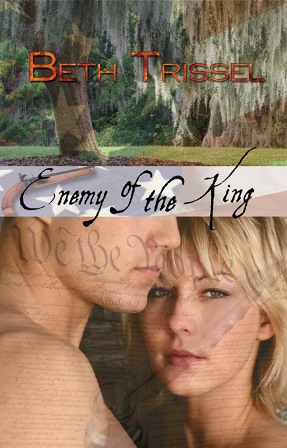
Enemyoftheking resizedThe first book to come out of this rich well of inspiration was award-winning historical romance novel Enemy of the King, published in 2009 by The Wild Rose Press. I didn’t stop there. A sequel featuring the fascinating antagonist in Enemy of the King, British dragoon Captain Jacob Vaughan, tugged at my mind. I even had a plot and title, Traitor’s Legacy. Try as I might, though, I couldn’t settle on the right location to set the story, so left it to simmer.
In late spring, 2012, North Carolinian, Ann See, a huge fan of Enemy of the King and fellow colonial American enthusiast, contacted me about writing a sequel set in the oft overlooked, but historically significant town of Halifax, NC. As Enemy of the King takes place in North and South Carolina, and I have strong ties to the Carolinas, this suggestion was appealing.
IMG_7459At Ann’s invitation, husband Dennis and I made a trip to Historic Halifax, and were given a royal tour of this carefully preserved glimpse into our nation’s dynamic past. The quaint town is like a mini colonial Williamsburg. Most impressive among Halifax’s claims to fame, in the spring of 1776, North Carolina’s Fourth Provincial Congress met there, and on April 12, unanimously adopted a document later called the ‘Halifax Resolves,’ the first official action by a colony proclaiming their independence from England. This made Halifax a nest of rebels and thorn in the side of the British––what I needed for my plot.
(Image of Beth and the guide touring a home in Historic Halifax)

Some people ask, ‘Why write historical romance?’ I reply, ‘Why not?’ Folks fell in love back then too, and romance adds that thrill of excitement. The attraction between British Captain Vaughan and Patriot Claire Monroe most certainly leaps off the pages in Traitor’s Legacy. They were one of my all-time favorite couples to write.
Photo of Person's Ordinary #2JPGMuch of the story takes place in and around Historic Halifax. Person’s Ordinary, featured in the novel, was an important stage-coach stop and is the oldest landmark in Halifax County. Located in Littleton, Person’s Ordinary is the oldest preserved structure of its kind in the East, and once served as a tavern owned by Thomas Person. The Ordinary was occupied by the British in May 1781 when they made their way through Halifax en route to Virginia. The British Legion, also known as Tarleton’s Legion, headed by the infamous Lieutenant Colonel Banastre Tarleton, were on horseback and out in front of the rest of the army under command of General Lord Cornwallis. Tarleton underestimated the harassment inflicted by the local militia, whose stubborn resistance resulted in a prolonged stay by the British and reprisals against the town. In fact, there was so much looting that when Lord Cornwallis arrived, he had to court-martial and execute one sergeant and a dragoon. Apparently, his lordship didn’t want to leave a trail of animosity everywhere his army went. (Image of Person’s Ordinary)
174389418Thornton Hall, the plantation home featured in Traitor’s Legacy, is drawn from a run down but once outstanding old house located a mile or two from Person’s Ordinary. The original home was also built by Thomas Person. He wouldn’t recognize it now. Dusk was falling when Dennis and I, guided by Ann, drove to the overgrown site to see the derelict house. I knew at once I’d found the perfect home for the novel. Ann supplied me with descriptions of the old house in its glory days and I resurrected it, like restoring the Titanic, with some poetic license, of course. I’d love to move into Thornton Hall. The gardens are also lovely. I hope you enjoy your tour.
Mystery, intrigue, spies, a coded letter, and stirring romance fill the pages of Traitor’s Legacy. Bringing history to life.

TraitorsLegacy_w8945_med.jpg (official cover) (2)Story Description
: 1781. On opposite sides of the War of Independence, British Captain Jacob Vaughan and Claire Monroe find themselves thrust together by chance and expediency.
Captain Vaughan comes to a stately North Carolina manor to catch a spy. Instead, he finds himself in bedlam: the head of the household is an old man ravaged by madness, the one sane male of the family is the very man he is hunting, and the household is overseen by his beguiling sister Claire.
Torn between duty, love, and allegiances, yearning desperately for peace, will Captain Vaughan and Claire Monroe forge a peace of their own against the vagaries of war and the betrayal of false friends?
Back to the novel that started it all, Enemy of the King made the top ten Publisher’s Weekly BHB Reader’s Choice Best Books of 2009  and is on the 2010 Best Romance Novel List at Buzzle.
“I thoroughly enjoyed Enemy of the King…the characters are memorable, the setting beautifully described…the action riveting and the romance tender. For anyone who loves a well-crafted historical romance.” ~Reviewed by Poinsettia for Long and Short Reviews
“Beth Trissel is a skilled storyteller and scene builder. She immediately plunges the reader into action and excitement with a vivid sense of time and
place.” ~For Enemy of the King by Award-winning Romance Author Kris Kennedy
Traitor’s Legacy is coming out August 13th, 2014 by the Wild Rose Press. The third book in the Traitor’s Legacy Series is in the works. Romancing Colonial America, a growing event evolving around the book signing, will take place on Oct. 11th in Historic Halifax.
148227848Experience the best of colonial America during this special event packed with activities, demonstrations, tours, music, dance, a book signing, and more on Saturday, October 11th, from 10 a.m. to 4 p.m. at Historic Halifax State Historic Site.Romancing Colonial America will highlight the eighteenth century from pirate days through the revolution!
A book signing and reception will be held at the Royal White Hart Masonic Lodge, No. 2 (130 Saint David Street, Halifax, NC) 12:00 p.m. to 4:00 p.m. Pre-order your copy of Traitor’s Legacy, available for $15 each, call (252) 583-7191 to reserve copies, and make checks payable to Historical Halifax Restoration Association, Inc. Pre-orders can be picked up on the day of the event.
dance_200Enjoy colonial period musical performances and dances at various times throughout the historic site. Folk musicians, flutists, singers, and costumed dancers will provide eighteenth century entertainment in various locations on site. Also, throughout the day from 10 a.m. to 4 p.m., colonial era living-history demonstrations performed by costumed re-enactors will take place along with tours of the site’s historic buildings which date from circa 1760 through the 1830s. Stop by the Historic Halifax State Historic Site Visitor Center to pick up a complete schedule of activities and an event map.
For more information about Romancing Colonial America and any related activities, please call Historic Halifax at (252) 583-7191 or visitwww.halifax.nchistoricsites.org. Historic Halifax is within the Division of Sate Historic Sites in the NC Department of Cultural Resources and is located at 25 Saint David Street, Halifax, NC 27839

Thursday, June 19, 2014

“I want to see mountains again, Gandalf! Then find somewhere quiet I can finish my book.” ~Bilbo


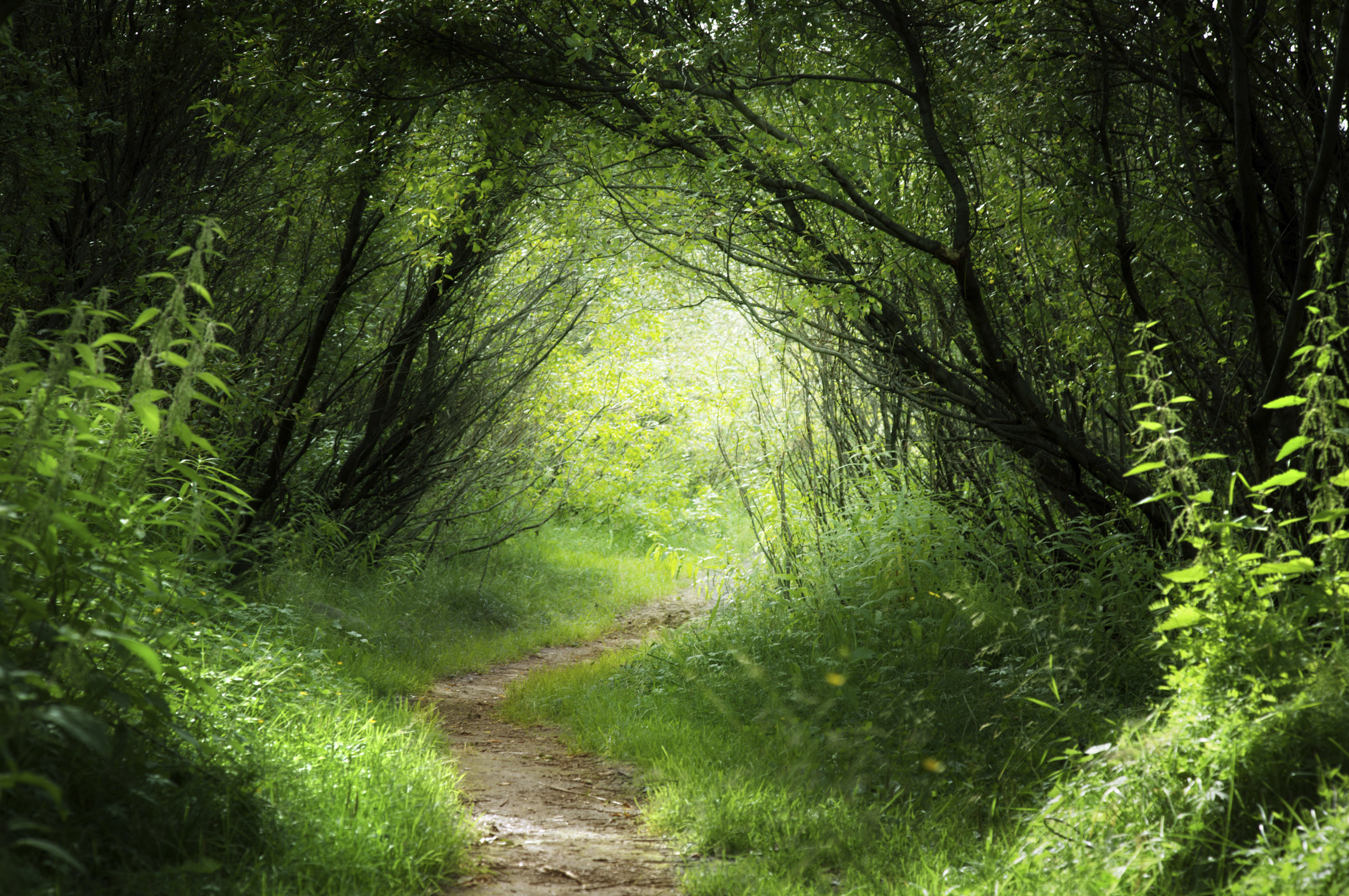
Path through the enchanted forest
I’m working on my latest novel, Traitor’s Curse. the sequel to Traitor’s Legacy, due out in August. And Traitor’s Legacy is the sequel to award-winning historical romance novel, Enemy of the King. Think the drama and romance of the American Revolution, spies, coded letters, intrigue and above all, romance. More on that soon. Meanwhile, some fitting quotes for my writing journey from The Fellowship of the Ring.
154124078
(Think I could write here. Few interruptions.)
“It’s a dangerous business, Frodo, going out your door. You step onto the road, and if you don’t keep your feet, there’s no knowing where you might be swept off to.” ~Bilbo
“I want to see mountains again, Gandalf, mountains, and then find somewhere where I can rest. In peace and quiet, without a lot of relatives prying around, and a string of confounded visitors hanging on the bell. I might find somewhere where I can finish my book..” ~Bilbo (The full quote)
Misty autumn woods
“If you’re referring to the incident with the dragon, I was barely involved.” ~Gandalf  (I keep wanting to include a dragon, but I’m writing a historical with only a touch of paranormal. I just can’t keep away from ghosts. Not entirely.)
“The road goes ever on and on, down from the door where it began. Now far ahead the road has gone, and I must follow if I can.” ~Bilbo (So must I.)
Path through old trees
“I would rather share one lifetime with you than face all the ages of this world alone.” ~Arwen (Fitting quote for a romance author)
“Be on your guard. There are older and fouler things than orcs in the deep places of the world.” ~Gandalf (Indeed there are)
“Even the smallest person can change the course of the future.” ~Galadriel (I believe this. I truly do.)
“Not all those who wander are lost.” ~J.R.R. Tolkien, The Fellowship of the Ring (I sort of know where I’m going in this story. But must listen well or the muse may flee. Fickle muse.)
Fairy woman walking in the woods
“All we have to decide is what to do with the time that is given us.”  ~ J.R.R. Tolkien, The Fellowship of the Ring
Very wise. I write, garden, love my people and my furbabies, pray for world peace…write some more. Watch too many instant videos. Stall for time. Back to writing. I’ve tried waiting for the elves to do it, but no matter how long I sleep, novels are never finished by morning. Although I might have a very helpful dream. Even meet new characters.
“For even the very wise cannot see all ends.” ~J.R.R. Tolkien, The Fellowship of the Ring (But I’m trying my darnedest to figure out this ending.)
469531411“The Road goes ever on and on
Down from the door where it began.
Now far ahead the Road has gone,
And I must follow, if I can,
Pursuing it with eager feet,
Until it joins some larger way
Where many paths and errands meet.
And whither then? I cannot say.”
~J.R.R. Tolkien, The Fellowship of the Ring
Onward ho.
Path to magical forest
“Do not meddle in the affairs of wizards, for they are subtle and quick to anger.” ~J.R.R. Tolkien, The Fellowship of the Ring (Duly noted)
From the ashes a fire shall be woken,
A light from the shadows shall spring;
Renewed shall be blade that was broken,
The crownless again shall be king.”
~ J.R.R. Tolkien, The Fellowship of the Ring
And Beth shall finish her book, eventually.
*Royalty free images from Thinkstock

Monday, May 26, 2014

Rosemary, the Herb of Remembrance


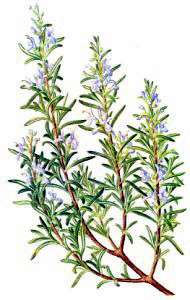
Rosemary“There’s rosemary that’s for remembrance. Pray, you love, remember.” ~ Hamlet
Rosemary is the herb that we leave on graves and a fitting one for Memorial Day. I love the scent of rosemary and the wealth of history behind it. Known as the herb of remembrance from the time of ancient Greece, it appears in that immoral verse by Shakespeare. 
My fascination with herbs plays a significant role in my historical-light paranormal romance novel Somewhere My Love, as does Hamlet, for that matter. I always wanted to write a murder mystery with a focus on herbs and parallels to a Shakespearean play, and so I did. Ghostly, murder mystery, time travel romance novel, Somewhere My Love, is interwoven with Hamlet and herbs.
‘Tis the Season for RosemaryRosemary is considered a tonic, astringent, diaphoretic (increases perspiration), stimulant. Oil of Rosemary has the carminative (induces the expulsion of gas) properties of other volatile oils and is an excellent stomachic and nervine (has a beneficial effect upon the nervous system), curing many cases of headache.
“As for rosmarine, I lette it runne all over my garden walls, not onlie because my bees love it, but because it is  the herb sacred to remembrance,  and, therefore to friendship..” ~Thomas Moore

Rosemary1Beloved by the ancients, rosemary had the reputation for strengthening memory. On this account, it became the emblem of fidelity for lovers. And holds a special position among herbs from the symbolism attached to it. Not only was rosemary used at weddings, but also at funerals, for decking churches and banqueting halls at festivals, as incense in religious ceremonies, and in magical spells. It was entwined in the wreaths worn by brides, being first dipped into scented water. 
Anne of Cleves, fourth wife of Henry VIII, and fortunate to escape with her life due to an annulment, is said to have worn such a wreath at her wedding. Maybe it protected her. She outlived his other wives, two of whom were beheaded, and the sixth one, Catherine Parr, might have been had he hung on much longer. Such were the vagaries of his moods. But I digress.
basket of herbs with rosemaryA rosemary branch, richly decorated and tied with ribbons, was also presented to wedding guests, as a symbol of love and loyalty. Rosemary was one of the cordial herbs used to flavor ale and wine. It was also used in Christmas decoration. Together with an orange stuck with cloves it was given as a New Year‘s gift. Rosemary came to represent the dominant influence of the lady of the house, “Where Rosemary flourished, the woman ruled.” I add, to prove their dominance, some husbands would damage the flourishing plants. (A Modern Herbal)

Tuesday, May 20, 2014

Haunting Romance Novel Somewhere My Love .99 Thru May


SOMEWHERE MY LOVE RESIZEDA Night Owl Top Pick: “The story will draw a reader in and will not let go until the very last page. It is a novel that will live in the hearts of its readers for a very long time.”

Volumes and volumes of books have been written about the ghosts of Virginia. Apparently, we have more ghost stories than any other state in the Union. And not because Virginians have a more fertile imagination (although we may) but sadly because the Old Dominion has seen more bloody battles over the centuries than any other. Before you differ with me, think back.

Jamestown (founded 1607) was the site of the oldest successful English settlement and its history is a violent one. It’s also kind of creepy. And on we go to the many heart-rending wars fought with the usurped Indians, a number of them waged on Virginia soil. Virginia used to be a lot bigger than it is now, too. It spanned states.

Ghostly night SkyAnd on we march to the Revolution. Anyone heard of Yorktown, to name just one famous battle? And let’s not forget that horrific most uncivil of wars, much of it fought in, you guessed it, Virginia. My ancestors took part in these wars, with the possible exception of James Town, although I’m thinking we came across a family account somewhere. Need to check.


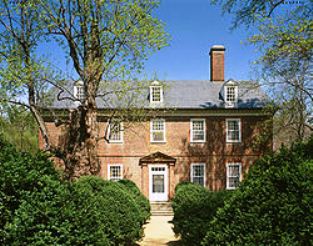
Berkeley_plantation_harrison_home
Back to the ghosts: This plethora of paranormal activity doesn’t only feature soldiers caught in an endless fray who haven’t gotten word the war’s over–although some clairvoyant really should make the rounds of old battle fields and direct these poor souls to the light. Many tales center on the myriad of people who dwelt in our richly historic state. The old Virginia homes and plantations have accumulated a wealth of such stories. It was while touring some of these English styled manor homes with my dear mother that the kernel of a story first came to me for Somewhere My Love (Somewhere in Time Series).  

Added to this meld of vintage Virginia is my own heritage. On my father’s side, I descend from old Southern gentry, impoverished after the Civil War, Great Depression, and other misfortunes, including the untimely death of my brilliant grandfather. But the gracious Georgian home his ancestor built (circa 1816) still stands in the countryside near historic Staunton. My ghostly Christmas novella, Somewhere the Bells Ring (Somewhere in Time Series), was inspired by this wonderful old home.

Chapel Hill - old VA family home place

Since childhood, I felt the family home place was haunted and wove stories through my fevered mind, along with my continual search for Narnia which entailed frequent treks into the old wardrobe. But I digress. Frequently. The magnificent ancestral portraits in my family and on display in other Virginia homes held me transfixed, wondering. And it was just such a portrait of a striking dark-haired gentleman who embedded himself in my thoughts. Who was he? Why did he die so young? That other painting of the fair young lady…did she love him?

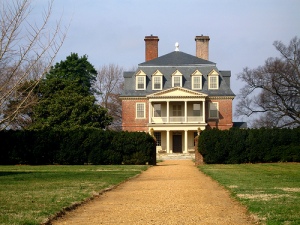
Shirley PlantationOften, the guides at these old homes are brimming with tales. But other times we are left to wonder…and ask ourselves are these folk who’ve gone before us truly gone, or do some still have unfinished business in this realm? And what of the young lovers whose time was tragically cut short, do they somehow find a way? 

Love conquers all, and so I answer ‘yes.’


Julia from Somewhere My LoveBlurb For Somewhere My Love:

Fated lovers have a rare chance to reclaim the love cruelly denied them in the past, but can they grasp this brief window in time before it’s too late?
Two hundred years ago Captain Cole Wentworth, the master of an elegant Virginian home, was murdered in his chamber where his portrait still hangs. Presently the estate is a family owned museum run by Will Wentworth, a man so uncannily identical to his ancestor that spirit-sensitive tour guide Julia Morrow has trouble recognizing Cole and Will as separate. As Julia begins to remember the events of Cole’s death, she must convince Will that history is repeating, and this time he has the starring role in the tragedy. The blade is about to fall.~

full moon and clouds--blue-black night sky, haunting

“As I read Somewhere My Love, I recalled the feelings I experienced the first time I read Daphne DuMaurier’s Rebecca long ago. Using the same deliciously eerie elements similar to that Gothic romance, Beth Trissel has captured the haunting dangers, thrilling suspense and innocent passions that evoke the same tingly anticipation and heartfelt romance I so enjoyed then, and still do now.”~joysann for Publisher’s Weekly

Illustrated Excerpts From Light Paranormal Romance Somewhere My Love
 ***Somewhere My Love is available in kindle and print at Amazon and Barnes & Noble and in eBook at Kobo.  

*Homes most prominent behind the inspiration for Somewhere My Love:
Berkely Plantation (On the James River & well worth a visit)
Family home place called Chapel Hill (Not open to the public)
Shirley Plantation (On the James River & well worth a visit)


Monday, May 12, 2014

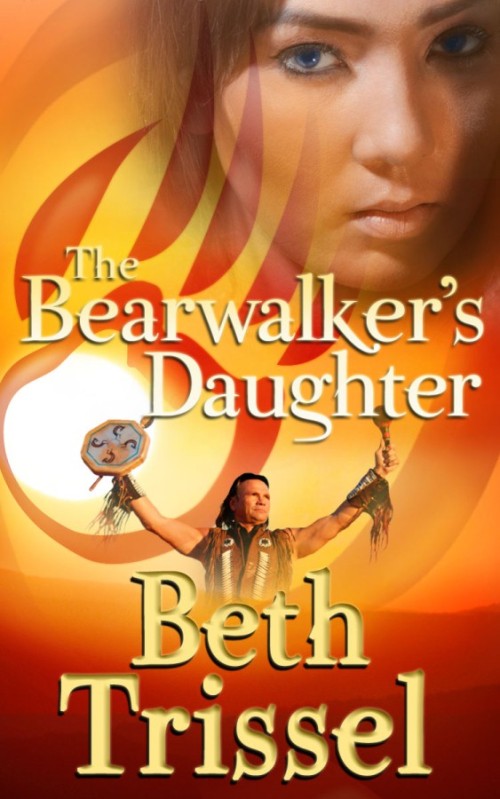
Historical Fantasy Romance, The Bearwalker’s Daughter, Only .99 Thru May 18th


Normally 2.99, The Bearwalker’s Daughter is on sale for .99 in KINDLE!
The_Bearwalkers_Daughter_Cover2


A Handsome frontiersman, Mysterious Scots-Irish Woman, Bearwalking Shawnee Warrior, Dark Secret, Pulsing Romance…The Bearwalker’s Daughter 
The strange awareness inside Karin grew, like a summons urging her to an untamed place. His gaze drew her almost against her will. She leaned toward him.
“Someone seeks you, Shequenor’s dahnaithah.”
The message rippled through her. And she knew—his was the inviting summons in the wind.~
Karin McNeal hasn’t grasped who she really is or her fierce birthright. A tragic secret from the past haunts the young Scots-Irish woman longing to learn more of her mother’s death and the mysterious father no one will name. The elusive voices she hears in the wind hint at the dramatic changes soon to unfold in the mist-shrouded Alleghenies in Autumn, 1784.
Jack McCray, the wounded stranger who staggers through the door on the eve of her twentieth birthday and anniversary of her mother’s death, holds the key to unlock the past. Will Karin let this handsome frontiersman lead her to the truth and into his arms, or seek the shelter of her fiercely possessive kinsmen? Is it only her imagination or does someone, or something, wait beyond the brooding ridges—for her?
***The Bearwalker’s Daughter is Book I in my Native American Warrior Series. The novel has 69 customer reviews and 4.4 stars at Amazon. 
“Ms. Trissel’s alluring style of writing invites the reader into a world of fantasy and makes it so believable it is spellbinding.” ~Long and Short Reviews
***Cover by my talented daughter Elise

Thursday, May 1, 2014

May Day!

Flowering CherryAs a child growing up during the 19th century, or so it sometimes seems, I remember placing baskets of flowers as a surprise on friend’s doorstep early on a lovely May Day morn. Also, dancing around the May Poll festivities in which, not I, but my younger brother and sister both participated. The little girls with garlands in their hair, decked out in pretty spring dresses. Mom made my sister’s. One year the wind toppled the May Poll and then there’s the time the children got all wound up in the ribbons and over it went.  Humiliating for my young brother who’d practiced so hard and tried to no avail to instruct his fellow dancers to wind them properly. I never did trust that May Poll thing to go as planned and hoped to be crowned May Queen, surrounded by a glad assembly of courtiers. No such luck. But May Day was special and has strong flowery associations in my memory. And wind. It never entered anyone’s mind that this revelry had possible pagan connotations. May Day festivities were simply a spring rite and good fun. (*Image of cherry tree in our yard)
How about the rest of you? Any May Queens among us?
birch tree in spring“May 1st, often called May Day, just might have more holidays than any other day of the year. It’s a celebration of Spring. It’s a day of political protests. It’s a neopagan festival, a saint’s feast day, and a day for organized labor. In many countries, it is a national holiday. (Royalty free image of birch tree)
Beltane
A Celtic calendar feast ushering in the start of summer. (It also went by a variety of other spellings and names in assorted dialects of Gaelic.)
Bonfires, often created by rubbing sticks together, were common features of Beltane celebrations. Related rituals included driving cattle between two fires, dancing around the fires, and burning witches in effigy. Another tradition was Beltane cakes, which would be broken into several pieces, one of which was blackened. They would be drawn by celebrants at random; the person getting the unlucky blackened piece would face a mock execution.
In recent years, Beltaine has been adopted or revived by neopagan groups as a major seasonal festival.
Bringing in the May: *This is more what I remember.  :)
In medieval England, people celebrated the start of spring by going out to the country or woods “going a-maying” and gathering greenery and flowers, or “bringing in the may.” This was described in “The Court of Love” (often attributed to Chaucer, but not actually written by him) in 1561. Totally irrelevant, but I am a direct descendent of Chaucer on my father’s side.
The Beauty of Spring in the Shenandoah Valley of Virginia“And furth goth all the Court, both most and lest,
To feche the floures fressh, and braunche and blome;
And namly, hawthorn brought both page and grome.
With fressh garlandes, partie blewe and whyte,
And thaim rejoysen in their greet delyt.”
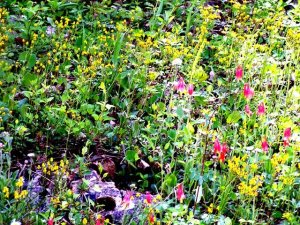
 (*Wild roadside flowers near us)
Another English tradition is the maypole. Some towns had permanent maypoles that would stay up all year; others put up a new one each May. In any event, the pole would be hung with greenery and ribbons, brightly painted, and otherwise decorated, and served as a central point for the festivities.
May Day was also a time for morris dancing and other dances, often around the maypole. In the 19th century, people began to braid the maypole with ribbons by weaving in and out in the course of a dance. Other later traditions include making garlands for children and the crowning of the May Queen.”
From an interesting site: Herbal Musings
“Beltain, Bealtaine, Beltine, May Day, Cetsamhain (‘first Samhain‘), Walpurgis Night (Beltane Eve), Celtic ‘Flower Festival’
Druidic Name: Beltane
archangel-michael, old stained glass windowChristian Equivalent
Roodmas, Rood Day, Feast of Saint Philip and Saint James, Feast of Saint Walpurga
Beltane is the cross-quarter festival that marks the start of the summer quarter of the year and the end of the spring quarter. This is a time when nature blossoms and felicity and fertility return to the land. In times past, the livestock stockaded at Samhain was returned to summer pastures at Beltane.
…a joyful festival of growth and fecundity that heralds the arrival of summer. It is the festival of the ‘Good Fire’ or ‘Bel-fire’, named after the solar deity Bel. Bel was also known as Beli or Bile in Ireland, with Bile meaning ‘tree’, so Beltane may also mean ‘Tree-fire’. Beltane is the counterpart of Samhain (and is sometimes referred to as Cetsamhain, the ‘first Samhain’), and these two important festivals divide the year into summer and winter halves, just as the two equinoctial celebrations, Ostara and Mabon, divide the year into light and dark halves.
Lighting fires was customary at Beltane, and traditionally a Beltane fire was composed of the nine sacred woods of the Celts. All hearth fires were extinguished on Beltane Eve and then kindled again from the sacred “need fires” lit on Beltane. People would leap through the smoke and flames of Beltane fires and cattle were driven through them for purification, fertility, prosperity and protection.
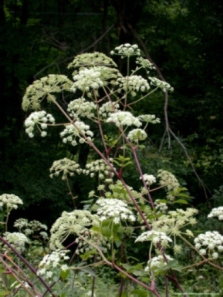
AngelicaIt is a traditional time for Handfastings (marriages), and for couples to make love outside to bless the crops and the earth. Maypoles were often danced around at Beltane to bring fertility and good fortune. Beltane lore also includes washing in May-day dew for beauty and health, and scrying (peeping) in sacred waters, such as ponds or springs.
The festival is sometimes referred to as Roodmas, a name coined by the medieval Christian Church in an attempt to associate Beltane with the Cross (the Rood) rather than the life-giving symbol of the Maypole. Beltane was also appropriated by the Church as the Feast Day of Saint Walpurga, who was said to protect crops and was often represented with corn.”
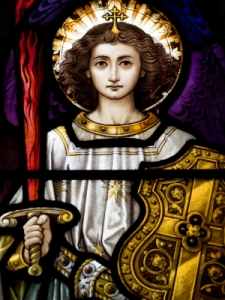
(*Royalty free images of the Archangel Michael and the sacred herb Angelica)