
 It’s also known as American Elder, Black Elder, and Tree of Music to give a few of its many names. There are different varieties, some that grow no larger than bushy shrubs while others obtain the height of huge trees. Native Americans used the long, straight, hollowed stems that became woody with age for arrows.
They pushed all the soft and poisonous pith out of the stems with hot sticks. Indians also bored holes in them to make flutes which gave Elder its name ‘tree of music.’ Hunters lured elk closer with elderberry whistles. I referred to this use of elder in my American historical romance novel Red Birds Song.
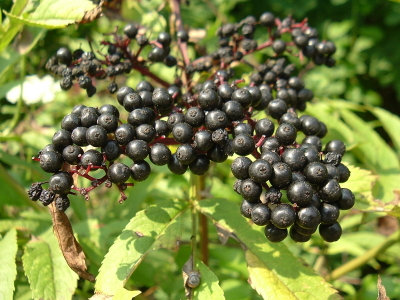 The fruit was believed to have a cooling, gentle, laxative and urine increasing effect. Elderberry wine was thought to be a tonic. The berries are said to aid arthritis. The juice simmered until thick was used as a cough syrup and for colds. The rest of the medicinal was used with great caution and some parts avoided entirely. The inner bark of elder stems and the roots were generally regarded as too dangerous to experiment with, however women drank very small amounts of elderberry bark tea for bad menstrual cramps, to ease the pain of labor and help the child along. I used a potent dose of elderberry bark tea in my historical Native American romance novel, Through the Fire.
Indians and settlers believed that small amounts of potentially poisonous plants could be beneficial under certain circumstances to stimulate the body to heal or maybe because it was fighting off the poison. Native Americans shared their storehouse of knowledge regarding herbal treatments with colonists who used these remedies in combination with those lauded cures they brought with them. Elderberry was also a vital plant in the Old World.
From Rodale’s Illustrated Encyclopedia of Herbs:
 “One of the human race’s earliest plant companions (found in Stone Age sites) the elderberry has developed reputations for great powers of good…as well as great powers of evil. In some parts of the world, no prudent carpenter would make a cradle of elderberry wood for fear of bringing harm to the baby. The elderflower has been involved in human history for centuries, and one story suggests that it takes its name from a unique medicinal dimension. The generic name Sambucus may come from the Greek Sambuke, a musical instrument made from elderberry wood. For centuries the plant has had the reputation of healing the body, but in elderberry’s golden age, it made music to heal the spirit.
During its long association with humanity, the elderberry’s traditions have become an incredible jumble of conflicting currents. It provided the wood for Christ’s cross; it was the home of the goddess Freya. If seen in a dream, it meant illness was on the way; it was such a healthful plant that seventeenth century herbalist John Evelyn called it a remedy ‘against all infirmities whatever.’ It would ward off witches if gathered on the last day of April and put up on the windows and doors of houses; it was very attractive to witches and thus should be avoided after dark.
 Elderberries worked their way into every aspect of living from dyeing hair black to showing berries just at the right time to signal the beginning of wheat sowing. Shakespeare had something to say about it. One of his characters called it ‘the stinking elder.’ The Shakers used it as a medicinal. The wood of the old stems, hard and fine grained, was prized by the makers of mathematical instruments. The list could go on and on for pages; elderberries stand in our gardens as old friends.”
 Elderberries worked their way into every aspect of living from dyeing hair black to showing berries just at the right time to signal the beginning of wheat sowing. Shakespeare had something to say about it. One of his characters called it ‘the stinking elder.’ The Shakers used it as a medicinal. The wood of the old stems, hard and fine grained, was prized by the makers of mathematical instruments. The list could go on and on for pages; elderberries stand in our gardens as old friends.”
“Elderberry, or elder, has been used for centuries to treat wounds, when applied to the skin. It is also taken by mouth to treat respiratory illnesses such as cold and flu. In many countries, including Germany, elder flower is used to treat colds and flu. Some evidence suggests that chemicals in elder flower and berries may help reduce swelling in mucous membranes, such as the sinuses, and help relieve nasal congestion. Elder may have anti-inflammatory, antiviral, and anticancer properties.”
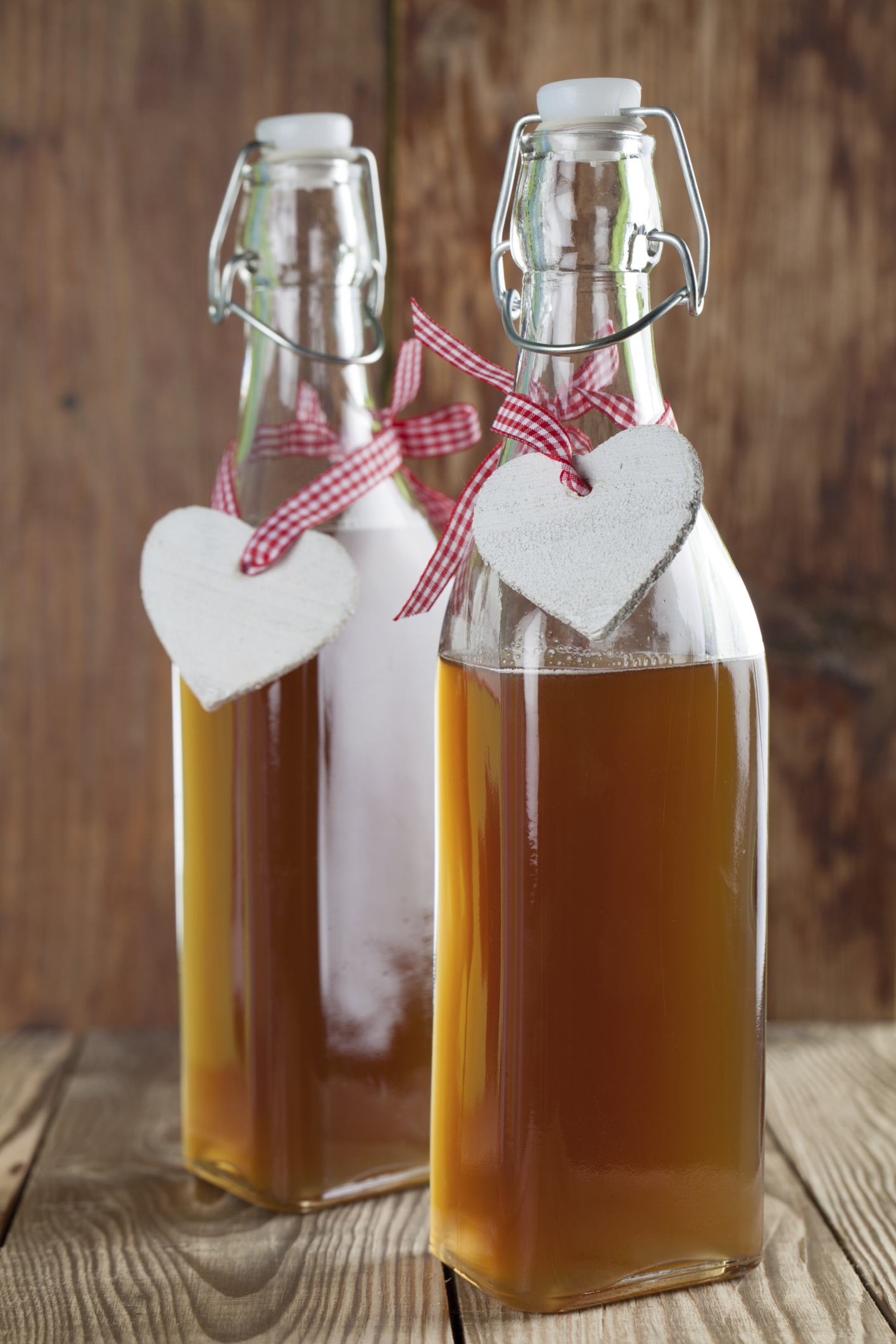
*Image of elderberry syrup, also below
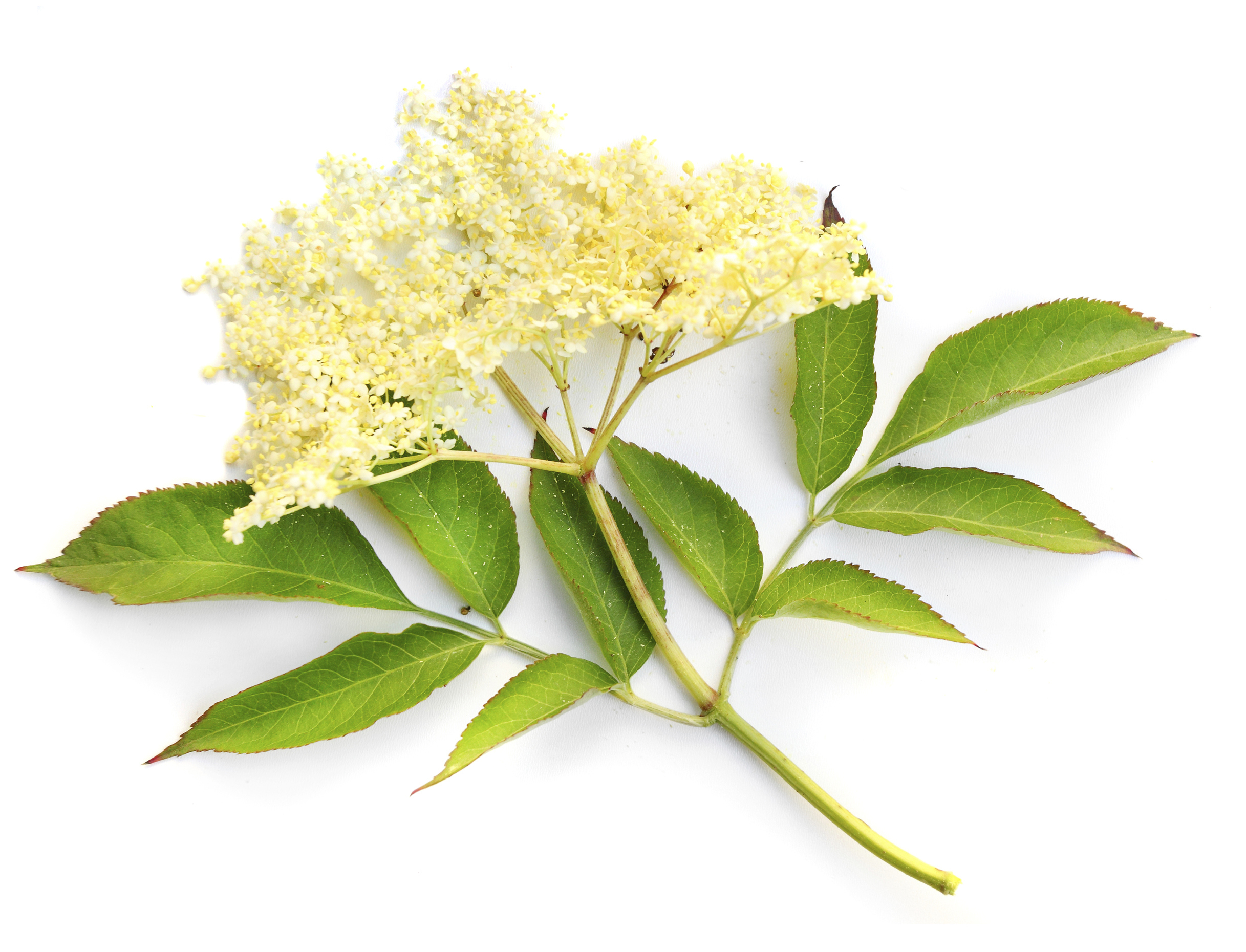 Plant Description
“European elder is a large shrub or small tree that grows up to 30 feet tall in wet or dry soil in a sunny location. Elder is native to Europe, Africa, and parts of Asia, but it has become widespread in the United States. Deciduous leaves grow in opposite pairs and have five to seven leaflets. Flowers are white and flat-topped with five primary rays. Berries are green, turning red, then black when ripe.”
Parts Used: “The berries and flowers are used as medicine. Berries must be cooked before they are taken. Raw berries contain a chemical similar to cyanide.”
Available Forms: “Elderberry is available as a liquid, syrup, and tincture, as well as in capsule and lozenge forms. Dried elder flower is usually standardized to at least 0.8% flavonoids. Sambucol is standardized to 38% elderberry extract for adults and 19% for children. Sinupret contains 18 mg of elder flower.”
How to Take It: “Do not give elderberry or any product containing elder to a child without first talking to your pediatrician.”
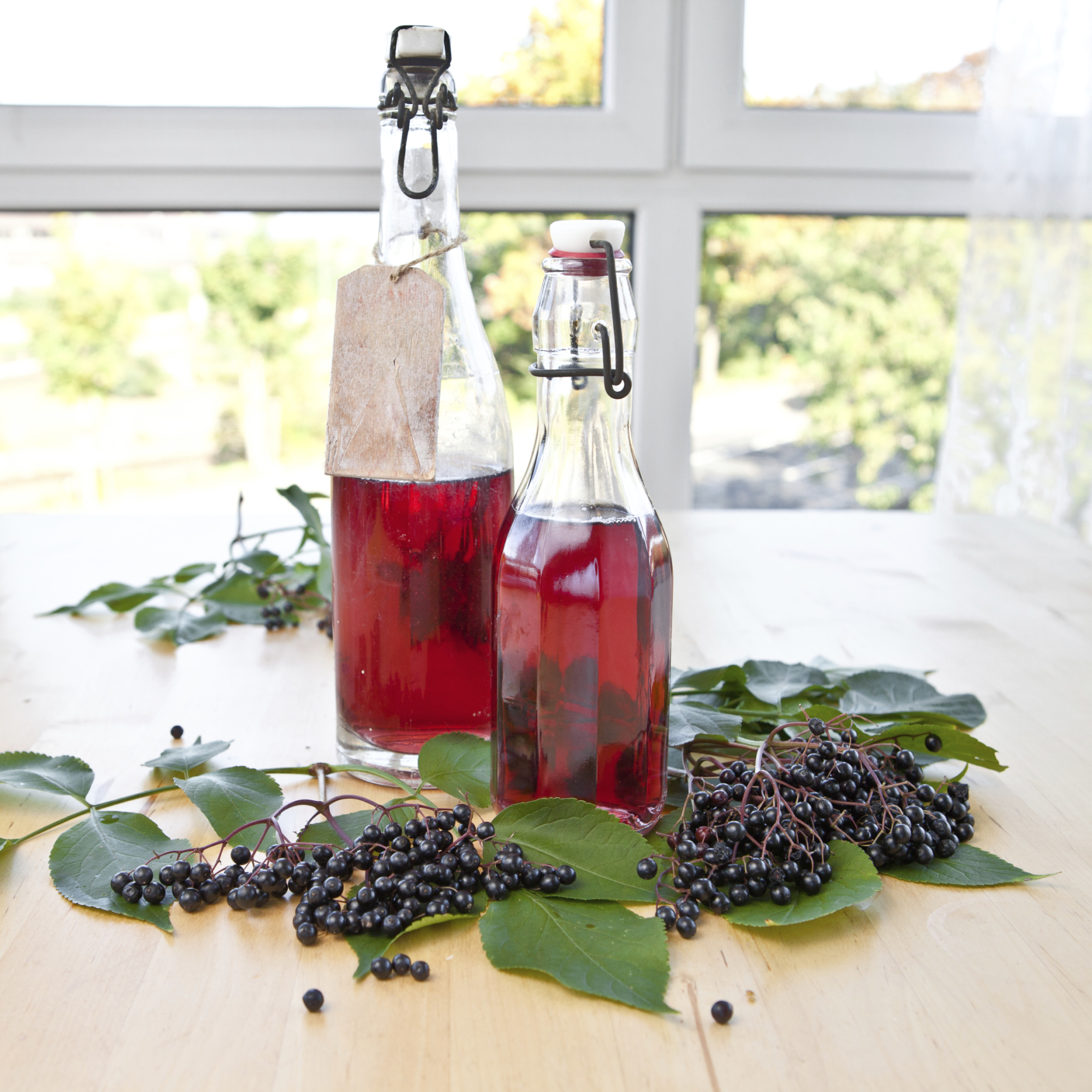
To Make Your Own Elderberry Syrup:
Or order the Original Sambucus: http://www.naturesway.com/Products/Winter-Season/6970-Sambucus-Original-Syrup.aspx


